 Watch here
 Global Coalition On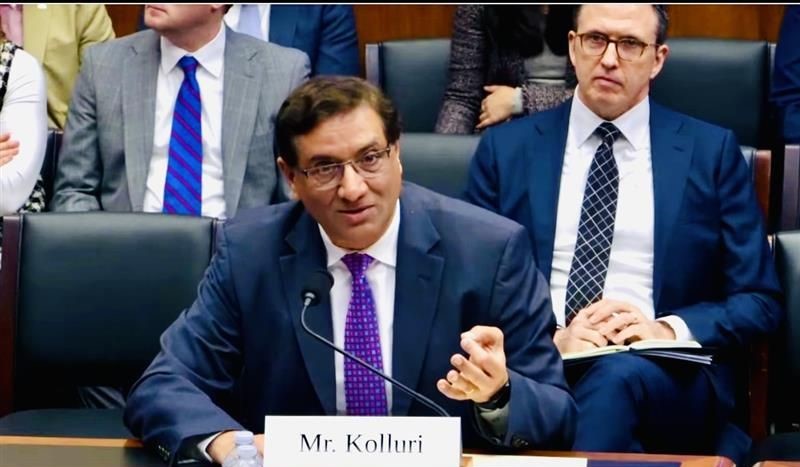
On January 7, Surya Kolluri, Head of the TIAA Institute, a GCOA member company, testified to before the House Committee on Education and Workforce Subcommittee on Health, Employment, Labor, and Pensions (“HELP”) hearing on “Modernizing Retirement Policy for Today’s Workforce.” Mr. Kolluri highlighted to the committee the urgent need to modernize U.S. retirement policy to reflect dramatic changes in longevity and the retirement landscape. He highlighted that while traditional defined contribution (DC) plans like 401(k)s help workers save, they do not sufficiently help retirees turn those savings into secure, dependable lifetime income. This problem is made more acute by a mismatch between the lifetimes for which these plans were designed and today’s longevity. 30
million Baby Boomers are reaching retirement age, expecting to live 30 or more years in retirement in a substantial increase from the 20-year life expectancy when these plans were initially instituted.
Many Americans underestimate how long they’ll live, leading to inadequate savings and planning. The shift away from traditional pensions (“defined benefit” plans) toward DC plans has created a “guarantee gap”: the absence of guaranteed lifetime income that protects retirees from outliving their savings.
Mr. Kolluri, on behalf of TIAA Institute, presented policy recommendations aimed at ensuring retirement systems help people not just accumulate assets, but ensure that these accumulated assets can sustain them as long as they live through a guaranteed stream of income.
Read Mr. Kolluri’s full remarks on the U.S. House of Representatives’ website and watch the session recording.